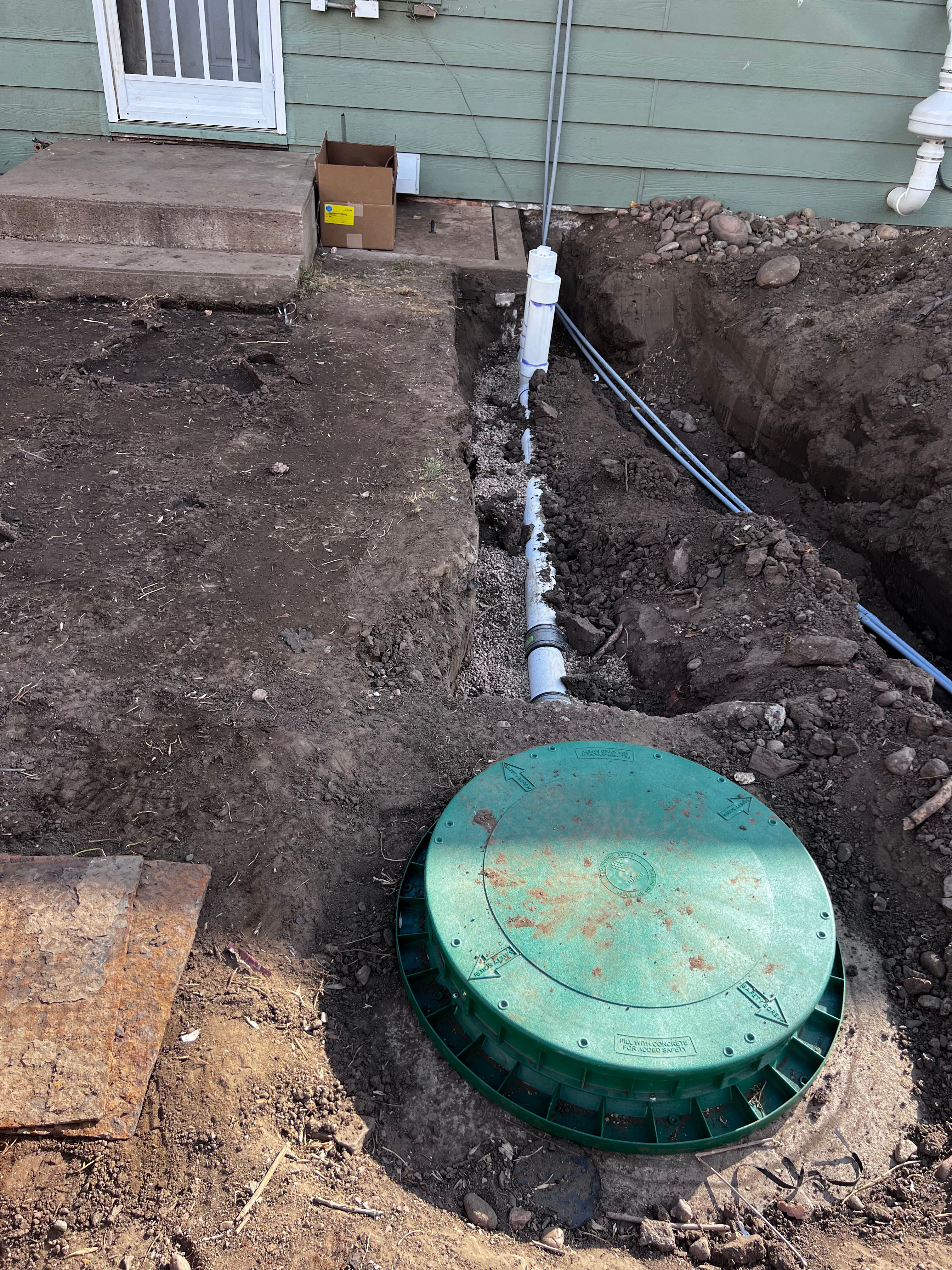
How Often Should You Pump Your Septic Tank?
Most homeowners with a septic system don't think about it until something goes wrong — a slow drain, a foul odor in the yard, or worse, a backup inside the house. By that point, you're looking at an expensive repair that could have been avoided with one simple maintenance task: regular pumping.
As a septic and excavation contractor serving Northern Colorado — from Loveland and Fort Collins down to Greeley and up into the mountains around Red Feather Lakes and Estes Park — we've seen what happens when tanks go too long without service. This guide gives you the straight answer on pumping frequency, and why it matters.
The General Rule: Every 3 to 5 Years
The EPA recommends pumping your septic tank every 3 to 5 yearsfor the average household. That's the baseline — but several factors can push that timeline shorter or allow it to stretch longer.
If you're buying a home with a septic system and don't know the pumping history, schedule a pump and inspection as soon as possible. You can't know the system's condition without looking inside.
Quick Reference
Average household (2–4 people) with a 1,000-gallon tank: pump every 3 years. Larger household or smaller tank: every 1–2 years. Smaller household or larger tank: up to 5 years.
Factors That Affect How Often You Need to Pump
The 3–5 year rule is a starting point. Your actual schedule depends on the following:
1. Household Size
More people means more wastewater. A family of six will fill a tank significantly faster than a couple. If your household has grown since the system was installed, adjust your pumping schedule accordingly.
2. Tank Size
Tanks typically range from 750 to 1,500 gallons in residential settings. A 750-gallon tank serving a 3-bedroom home fills up much faster than a 1,500-gallon tank. If you don't know your tank size, a qualified technician can check during a service visit.
3. What Goes Down the Drains
Flushing wipes (even "flushable" ones), paper towels, feminine products, or putting grease down the kitchen drain accelerates sludge buildup significantly. The more non-biodegradable material that enters the tank, the faster it fills.
4. Use of Garbage Disposal
Garbage disposals send a lot of food solids into the tank that bacteria struggle to break down completely. If you use one regularly, plan to pump more frequently — or consider eliminating it altogether.
5. Mountain Property Considerations
Properties in areas like Red Feather Lakes, Estes Park, and Glen Haven have unique challenges — rocky soil, seasonal temperature extremes, and limited access for service vehicles. These factors can affect system performance and how quickly tanks fill. If your cabin sees heavy seasonal use, treat it like a full-time residence for pumping purposes.
What Happens If You Wait Too Long?
Skipping pumping isn't a cost-saving measure — it's a gamble. When a tank overfills, solids escape into the drain field (also called the leach field). The drain field is designed to handle liquid effluent only. Once it gets clogged with solids, it fails.
A failed drain field is one of the most expensive septic repairs there is. In Northern Colorado, replacing a drain field typically costs anywhere from $5,000 to $20,000 or more depending on the system type, soil conditions, lot size, and access.
Compare that to a regular pump-out, which costs a few hundred dollars. The math isn't complicated.
Signs Your Tank Needs to Be Pumped Now
Don't wait for the calendar if you notice any of these warning signs:
- Drains throughout the house are slow — not just one fixture
- Gurgling sounds coming from toilets or drains
- Sewage odors inside or outside the home
- Wet, soggy, or unusually lush grass over the drain field area
- Sewage backing up into the lowest drains in the house
Any one of these is a sign to call a professional immediately. Multiple signs together mean you're at risk of a serious backup or drain field damage.
How to Keep Track of Your Pumping Schedule
Simple system: keep a home maintenance log. Record the date of every pump-out, the tank size, the company that serviced it, and any notes from the technician. If you sell the home, this documentation is valuable to buyers.
You can also ask the technician to note the sludge level when they pump. If the tank was nearly full before the 3-year mark, you know you need to shorten your schedule.
Bottom line: pump your septic tank every 3 years for a typical household, sooner if you have a large family or small tank, and don't wait if you notice any warning signs. It's the single most important thing you can do to extend the life of your system and avoid a far more expensive problem down the road.
Need Septic Service in Northern Colorado?
Jake's Mini Excavation & Septic Systems
We install, repair, and service septic systems across Loveland, Fort Collins, Greeley, Red Feather Lakes, Estes Park, and all of Northern Colorado. Call us for an honest assessment and free estimate.
Related Reading